Microblading
Summer Brow Care: How Heat and Sweat Affect Microblading and Lamination

If you've put money into microblading or brow lamination, a Southern California summer is worth paying attention to. Heat, sweat, and UV exposure all affect how your brows hold up, and knowing what's actually going on makes it a lot easier to protect your results.
You don't have to avoid the sun or skip the pool. You just need a few adjustments.
What Heat and Sweat Actually Do to Microbladed Brows
Microblading places pigment into the upper layers of the dermis. The strokes are precise, but the skin around them is still alive, and it sweats. Sweat is mildly acidic, and repeated exposure, especially during the healing phase, can pull pigment out faster than normal. Heat speeds up circulation and cell turnover, which pushes pigment toward the surface more quickly than it otherwise would.
The result is fading that happens ahead of schedule, strokes that look softer or blurrier than they should, and sometimes a subtle color shift. None of it is permanent damage, but it's much easier to prevent than to fix later.
The short answer: Heat and sweat accelerate pigment fading by increasing skin cell turnover and drawing pigment toward the surface. Sun exposure makes this worse by breaking down pigment molecules directly. Protecting your brows from UV rays and keeping heavy sweat off them during the first two weeks post-procedure makes the biggest difference in how long your results last.
The Healing Window Is When You're Most Vulnerable
The first ten to fourteen days after microblading are when your skin is most reactive. The tiny channels created during the procedure haven't fully closed yet, and the pigment hasn't settled into its final position. During this window, sweat can literally flush pigment out of those channels before they seal.
This is why summer timing matters. If you have a beach trip, a hiking weekend, or anything involving sustained outdoor activity, try to schedule your microblading at least three weeks before or after. That gives your skin time to close up and the pigment time to lock in.
If your microblading is already healed, you're in a better spot, but ongoing UV exposure is still the number one cause of premature fading. Most people don't realize how much sun their brows absorb just from being outside.
For a week-by-week breakdown of what to expect after your appointment, Microblading Aftercare: How to Maintain Your New Brows covers the healing process in detail.
Sunscreen on Your Brows: Yes, Really
A lot of clients are surprised when I tell them sunscreen belongs on their brows, not just their cheeks and nose. UV rays break down pigment molecules regardless of whether that pigment is natural or deposited through microblading. The brow area gets constant sun exposure and almost nobody thinks to protect it.
The catch is that not all sunscreens are a good fit for the brow area. Fragrance, alcohol, and certain chemical UV filters can irritate healing skin or cause discoloration over time. Mineral formulas are the safer choice.
Supergoop! Mineral Glowscreen SPF 40 is one clients reach for often because it layers well under makeup and doesn't leave a white cast. It's mineral-based, so it sits on top of the skin rather than absorbing into it, which makes it a gentler option for the brow area.
For a no-fuss daily option, EltaMD UV Pure Face and Body Sunscreen is a clean, broad-spectrum mineral formula that works well on sensitive skin and doesn't interfere with brow pigment. It does its job without a lot of extras.
If you're spending time in the water or sweating heavily, Blue Lizard Sensitive Mineral SPF 50 is worth keeping in your bag. It's water-resistant, fragrance-free, and built for extended outdoor exposure. The zinc oxide base gives solid UVA and UVB coverage without the irritation risk that comes with chemical filters.
For those who find heavier sunscreens uncomfortable in warm weather, Round Lab Birch Juice Moisturizing SPF 45 is a lightweight Korean sunscreen with no white cast and a finish that wears well under or over makeup. It's especially good for clients who want something hydrating and easy to wear every day.
For a deeper look at which sunscreen ingredients are safe for microbladed brows and which to skip, Sunscreen for Microbladed Brows: What to Use and What to Avoid goes into more detail.
How Summer Affects Brow Lamination Differently
Brow lamination doesn't involve any pigment. The treatment restructures the bonds in your brow hairs so they can be set in a new direction, giving you that fluffy, brushed-up look. Heat and humidity affect it in a specific way: they can relax the bonds before the treatment has fully set.
The first 48 hours after lamination are the most vulnerable. Getting the brows wet, sweating heavily, or sitting in steam during that window can cause the hairs to revert before everything has locked in place.
After that initial period, laminated brows are more resilient, but prolonged sun exposure can dry out the hair over time, making it brittle and prone to breakage. If you're spending a lot of time outdoors in Thousand Oaks or anywhere in the valley during peak summer months, keeping your brows conditioned actually matters. A nourishing brow serum or a small amount of castor oil at night helps offset the drying effects of heat and sun.
Managing Sweat Without Skipping Your Workout
Nobody wants to hear that they need to stop exercising for their brows. The real goal is just minimizing prolonged, heavy sweat directly on the brow area during the healing phase.
A few practical adjustments:
- Stick to lower-intensity workouts like walking, yoga, or light strength training for the first ten days after microblading.
- If you do sweat, gently pat the brow area dry with a clean tissue. Don't wipe or rub.
- Avoid saunas, steam rooms, and hot yoga entirely for the first two weeks post-procedure.
- After lamination, skip intense cardio and any steam exposure for 48 hours.
Once your brows are fully healed, regular workouts aren't a problem. The main ongoing concern is cumulative UV exposure, and that's what sunscreen is for.
Oily Skin in Summer
Oily skin types already tend to see faster microblading fading year-round because excess sebum affects how pigment settles and how long it holds. In summer, when heat increases oil production, that effect gets amplified.
If you have oily skin and you're thinking about microblading, it's worth having a realistic conversation about expectations and touch-up frequency. A well-timed touch-up can correct fading before it becomes significant. The goal is always to stay ahead of it rather than waiting until the work has faded completely.
Quick Takes
- Keep fresh microblading out of direct sun for at least two weeks.
- Mineral sunscreen is safer than chemical sunscreen for the brow area.
- Laminated brows need 48 hours free from sweat and moisture to set properly.
- Oily skin types may need touch-ups more frequently during summer months.
FAQ
How soon after microblading can I go to the beach?
Wait at least two weeks before any significant sun or saltwater exposure. The skin is still fragile during that window, and both UV rays and salt water can pull pigment out before it's fully locked in. After the two-week mark, apply a mineral SPF to the brow area before heading out.
Can I put sunscreen on my brows right after microblading?
Not immediately. During the first week, the skin needs to breathe and heal without product interference. Once the surface has closed and any flaking has resolved, usually around day seven to ten, you can start applying a gentle mineral sunscreen. Your artist will give you specific guidance based on how your skin is healing.
Will sweating ruin my brow lamination?
Heavy sweating in the first 48 hours can cause the hairs to shift before the lamination has fully set. After that window, occasional sweat isn't going to undo the treatment. The bigger long-term concern is dryness from sun exposure, which can make laminated hairs brittle over time.
Does sunscreen change the color of microbladed brows?
Mineral sunscreens don't alter pigment color. Chemical sunscreens, particularly those containing avobenzone or oxybenzone, can sometimes interact with certain pigments and cause subtle color shifts over time. Mineral formulas are the safer choice for anyone with permanent makeup.
How often should I touch up microblading if I spend a lot of time outdoors?
Most clients with active outdoor lifestyles find their microblading fades faster than the typical 12 to 18 month window. An annual touch-up is standard, but if you're regularly in the sun without SPF on your brows, you may find you need one closer to the 10 to 12 month mark. Consistent sunscreen use is the most effective way to stretch the time between appointments.
Related services
Mentioned Products
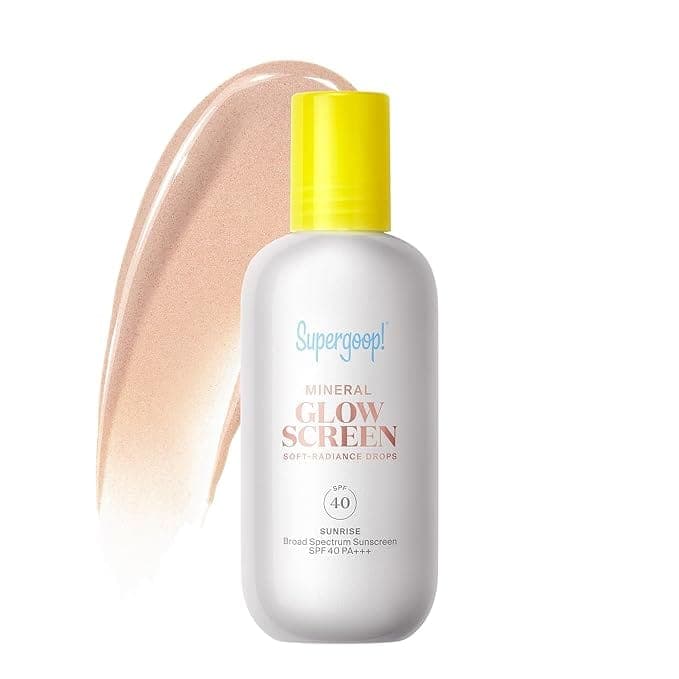
Supergoop! Mineral Glowscreen SPF 40
Helps protect skin (and healed brows) from sun exposure and fading.
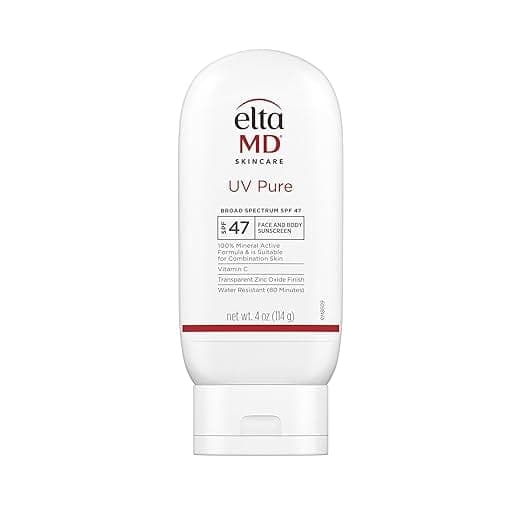
EltaMD UV Pure Face and Body Sunscreen
EltaMD UV Pure Face and Body Sunscreen is a mineral sunscreen that provides broad-spectrum protection against UVA and UVB rays.
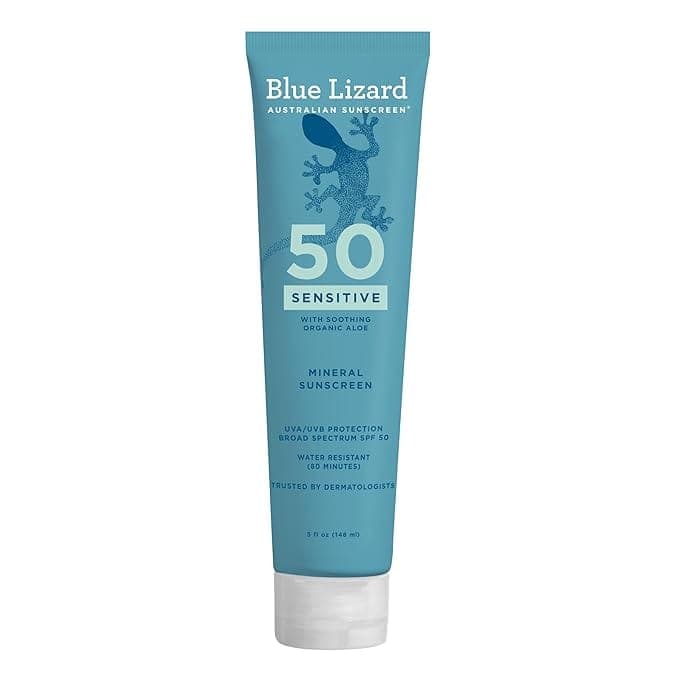
Blue Lizard Sensitive Mineral SPF 50
Mineral zinc oxide sunscreen for sensitive skin, water-resistant, reef-friendly, fragrance-free, broad-spectrum protection.
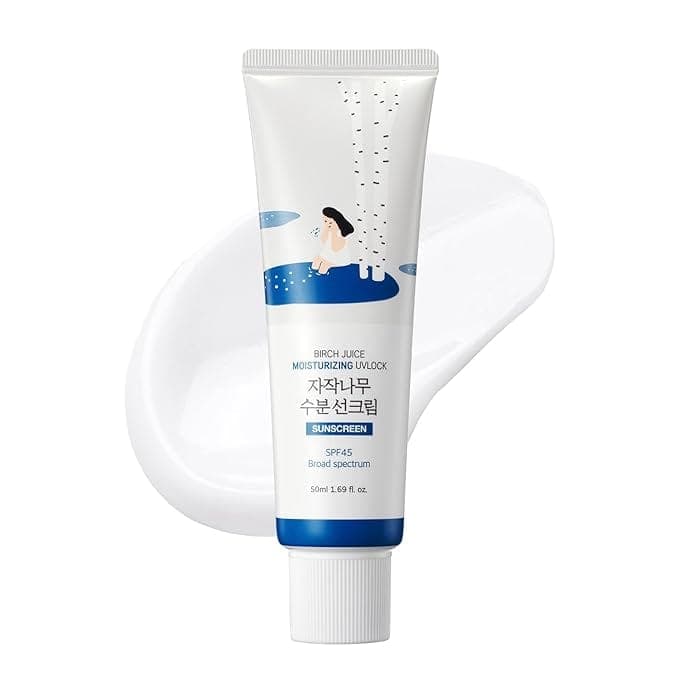
Round Lab Birch Juice Moisturizing SPF 45
Lightweight Korean sunscreen with birch juice, hydrating, no white cast, daily wear friendly.
Affiliate disclosure: Some links may be affiliate links. We may earn a small commission at no extra cost to you.
Related posts
Sunscreen for Microbladed Brows: What to Use and What to Avoid
If you've just had microblading, keep your brows out of the sun until they're healed. After healing, use a gentle mineral sunscreen to help protect your results.
The History of Microblading
Microblading has ancient roots, but the technique as we know it is only a few decades old. Here's how it evolved and why that history still matters today.

How I Got into Microblading: My Journey to Becoming a Brow Artist
Curious about microblading? Here's how my obsession with brows led me to become a microblading artist in Thousand Oaks, and why choosing the right artist really matters.