Esthetics & Skincare
Skin Flooding: How to Layer Hydrating Toners for Deep, Long-Lasting Hydration

Your Moisturizer Isn't the Problem
You've got a moisturizer. Probably a serum too. And your skin still feels tight by noon. That's frustrating, but the fix usually isn't swapping out what you're using at the end of your routine. It's what you're doing at the very beginning.
Skin flooding is a layering technique where you apply multiple thin coats of hydrating toner to freshly cleansed skin before anything else. No full product overhaul needed. Two or three well-chosen toners, pressed on in thin layers, can genuinely change how your skin feels throughout the day.
What Skin Flooding Actually Means
Skin flooding means applying two to three layers of lightweight, water-based toner right after cleansing, letting each one absorb before adding the next. The idea is to gradually saturate the skin with moisture so it's fully hydrated before your serum or moisturizer even goes on.
Thin, watery toners absorb fast and don't sit on the surface the way heavier creams do. Each layer pulls water into the skin and helps the next layer sink in more effectively. Two to three rounds is usually enough to get that plump, dewy feel without any stickiness.
Picking the Right Toners
This method only works with the right kind of toner. Skip anything with alcohol high on the ingredient list, anything labeled astringent, and anything with exfoliating acids. Those formulas aren't built for hydration.
You want toners with ingredients like hyaluronic acid, ceramides, PHAs, or calming botanicals. Here are four that work well for skin flooding, each with a slightly different focus:
If your skin has been feeling dull, reactive, or just worn out, Genabelle PDRN Rejuvenating Toner makes a solid first layer. PDRN is known for its soothing and skin-conditioning properties, and this formula gives skin a calm, nourishing base before anything else goes on.
For skin that feels tight, flaky, or easily irritated, TonyMoly Wonder Ceramide Mochi Toner is one clients keep coming back to. It has a lightweight gel texture that absorbs quickly, and the ceramides help reinforce a compromised moisture barrier. Layer it second to build on what the first toner started.
S.NATURE Aqua Oasis Toner is a good option if you want something vegan-friendly and refreshing. It's PHA-infused, which offers very gentle surface smoothing without the sensitivity risk of stronger acids. Works well as a second or third layer, especially for skin that wants a little refinement alongside the hydration.
If your skin leans sensitive or reactive, Celimax Dual Barrier Creamy Toner is worth finishing with. It's formulated with ceramides and peptides, free of alcohol and oil, and has a slightly creamier texture than the others. It's a natural final layer that calms everything down and helps seal moisture in.
You don't need all four. Pick two or three based on what your skin actually needs right now.
How to Apply It
Start on clean, slightly damp skin. Pour a small amount of toner into your palms and press it gently across your face and neck. Pat, don't rub. Rubbing creates friction and moves product around instead of letting it absorb.
Wait about 10 to 20 seconds between layers. You're not waiting for the skin to feel bone dry, just for that first wave of absorption. Then repeat. Two to three layers is the sweet spot for most people. If your skin starts feeling bouncy and comfortable, stop there. If it starts feeling sticky or oversaturated, you went one layer too far.
After your toners, apply your serum and moisturizer as usual. The hydrated base you've built helps everything else absorb more evenly.
Morning, Night, or Both?
Either works, honestly. A lot of people prefer doing this at night because there's no time pressure, and skin does most of its repair work while you sleep. If dryness is a real issue for you, try it morning and night for a week and see how your skin responds.
One thing to pay attention to: if you start noticing small breakouts or congestion after adding this step, scale back to once a day and double-check that your toners are non-comedogenic. More layers don't automatically mean better results. Your skin will tell you when it's had enough.
Quick Take
- Alcohol-free, hydrating formulas only
- Two to three layers is enough for most skin types
- Pat gently, wait a few seconds between layers
- Always follow with serum and moisturizer
Common Questions
Can I use a toner I already have at home?
Only if it's alcohol-free and focused on hydration. Toners with witch hazel, salicylic acid, or exfoliating acids will work against what you're trying to do here. Check the first few ingredients before layering anything.
Will this make my skin feel oily?
Not if you're using water-based formulas. Skin flooding adds water content, not oil. If your skin feels greasy afterward, the toner probably has a heavier base or you're applying too much product per layer.
How soon will I notice a difference?
Most people feel a difference within a few days. Skin tends to feel more comfortable and plump pretty quickly. Improvements in texture and overall tone take a few weeks of consistent use.
Do I have to do this every day?
Daily works well if dryness is a consistent issue. If your skin is more balanced, every other day may be plenty. There's no rule that says more frequent equals better results.
Is this okay for sensitive skin?
Yes, as long as you're choosing fragrance-free, gentle formulas and patch testing anything new. The Celimax Dual Barrier Creamy Toner mentioned above was specifically designed with sensitive skin in mind, so it's a reliable place to start if you're unsure.
If you're local to Thousand Oaks and want help figuring out what your skin actually needs, a one-on-one consultation is a good starting point. Skin flooding is one piece of a solid routine, but knowing your specific skin type makes every step more effective.
Before adding new steps, it helps to have the basics dialed in. Choosing the right cleanser is a good read if you're not sure your current one is working for you. And if you're curious about gentle actives that pair well with a hydration-focused routine, bakuchiol around the eye area covers one of the more skin-friendly options out there.
Related services
Mentioned Products
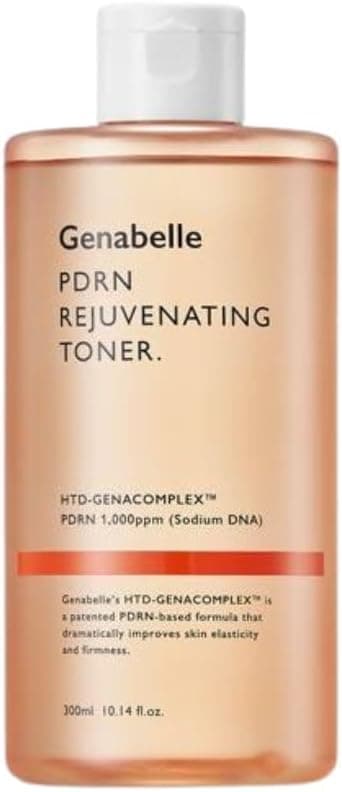
Genabelle PDRN Rejuvenating Toner
Hydrating PDRN toner that soothes, repairs, and preps skin for improved elasticity and glow.
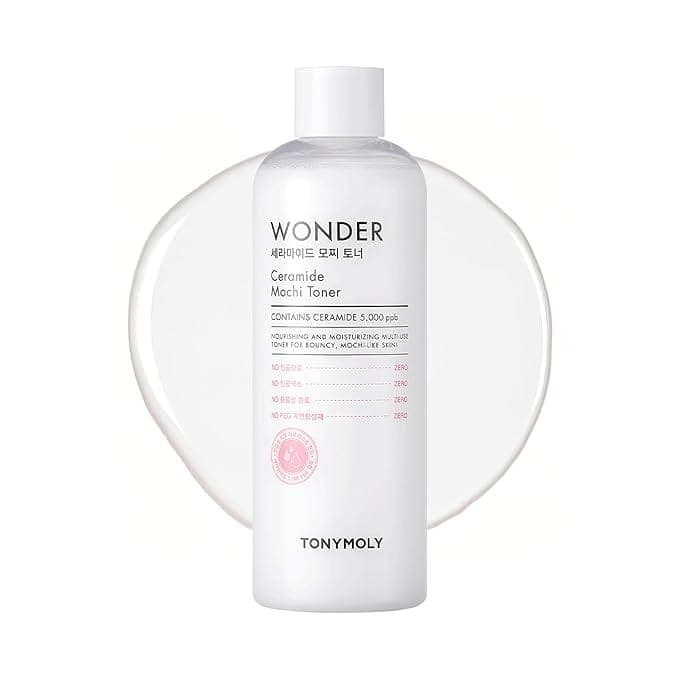
TonyMoly Wonder Ceramide Mochi Toner
Deeply hydrating, ceramide-rich toner that strengthens moisture barrier and softens skin.
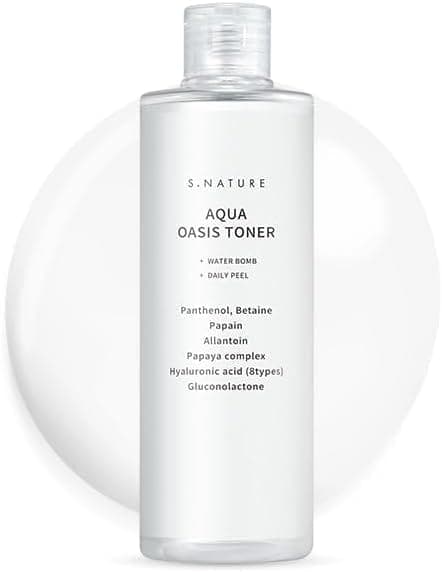
S.NATURE Aqua Oasis Toner
Vegan, PHA-infused hydrating toner that soothes, refreshes, and calms all skin types.
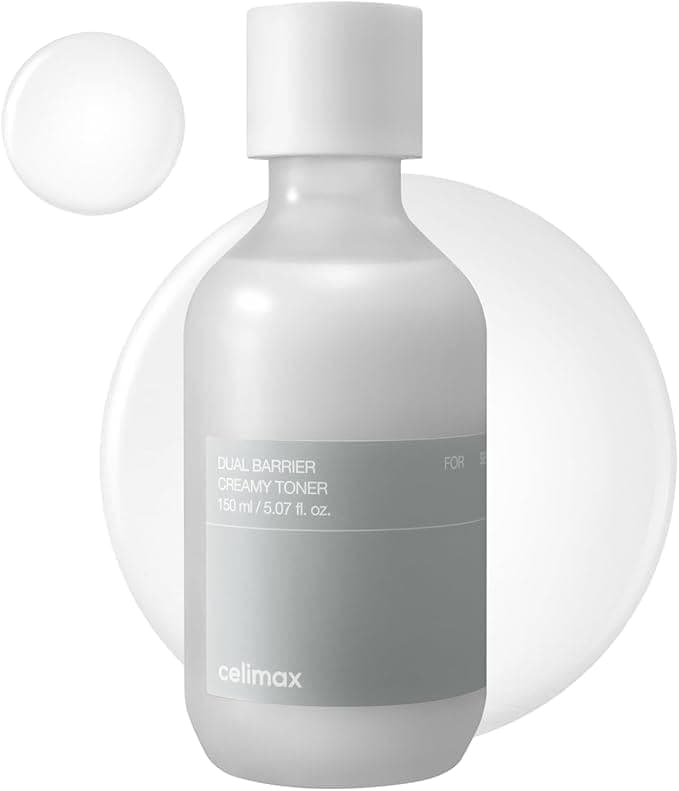
Celimax Dual Barrier Creamy Toner
Ceramide and peptide-rich, hydrating, calming, alcohol- and oil-free toner for gentle balance.
Affiliate disclosure: Some links may be affiliate links. We may earn a small commission at no extra cost to you.
Related posts
Can Bakuchiol Be Used Around the Eyes and Brows?
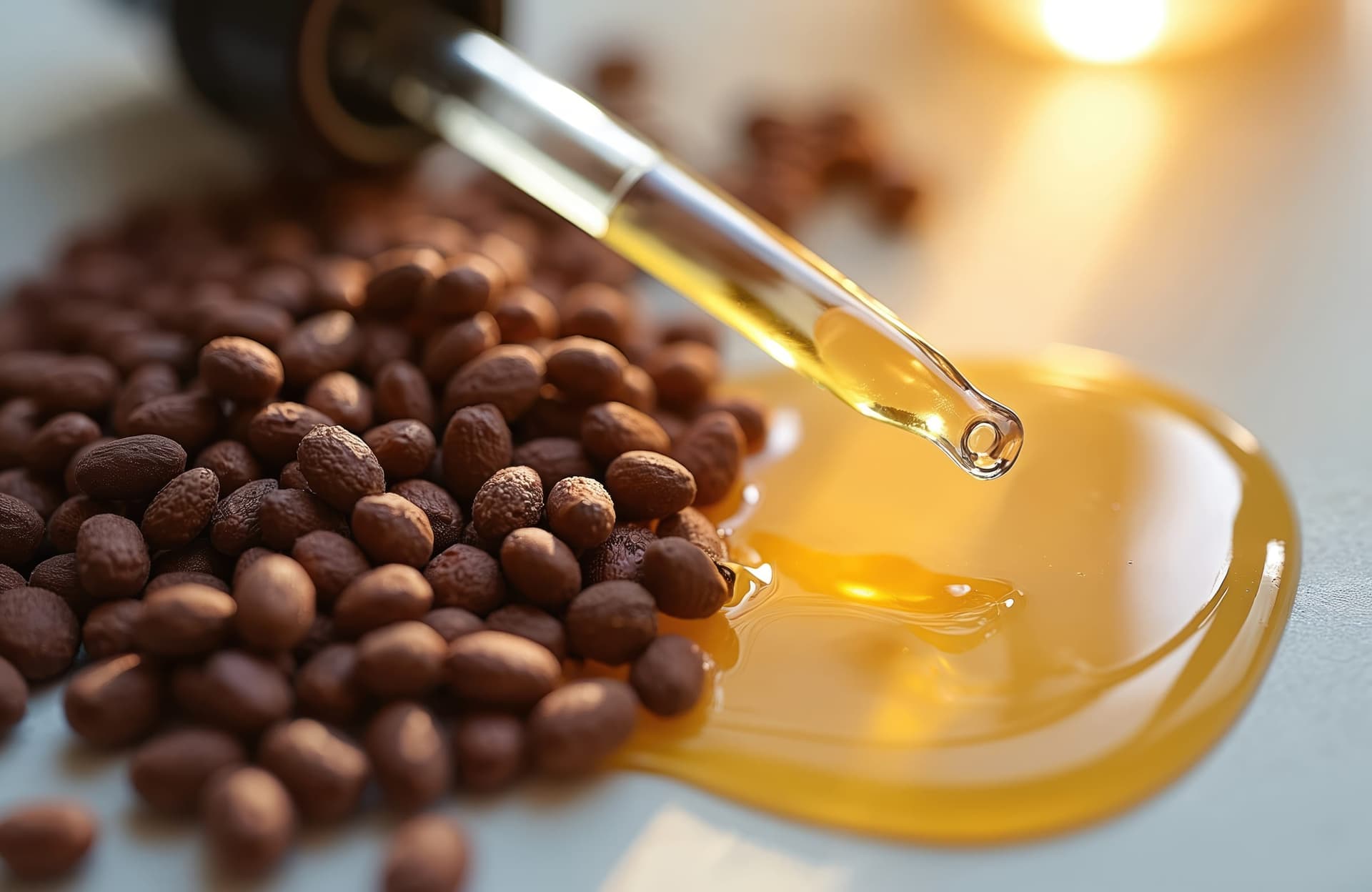
Bakuchiol is often called a gentler alternative to retinol, but that doesn’t mean it’s automatically safe everywhere. The skin around the eyes and brows is thinner, more reactive, and slower to recover if irritated. Estheticians recommend using extra caution in these areas, paying close attention to product formulas, healing timelines, and application technique. When used thoughtfully, bakuchiol can be a helpful addition to a skincare routine. When rushed or misused, it can easily cause puffiness, dryness, or unwanted irritation.
Why Better Standards Matter at Ritual Beauty Room
Clean tools, smart color choices, and real respect for skin are not optional at Ritual Beauty Room. Hygiene comes first, color theory guides every pigment decision, and anatomy shapes how each treatment is performed. By following regulated practices and adapting services to individual skin, the focus stays on results that heal well, fade predictably, and age gracefully instead of chasing trends that do not last.

Best Brow Serums After Microblading: What Actually Helps (and What to Avoid)
Not every brow serum is safe after microblading. Learn which ingredients to avoid, when to start, and which gentle formulas actually support your results.