Microblading
Why Do Some Microbladed Eyebrows Turn Unnatural Colors?
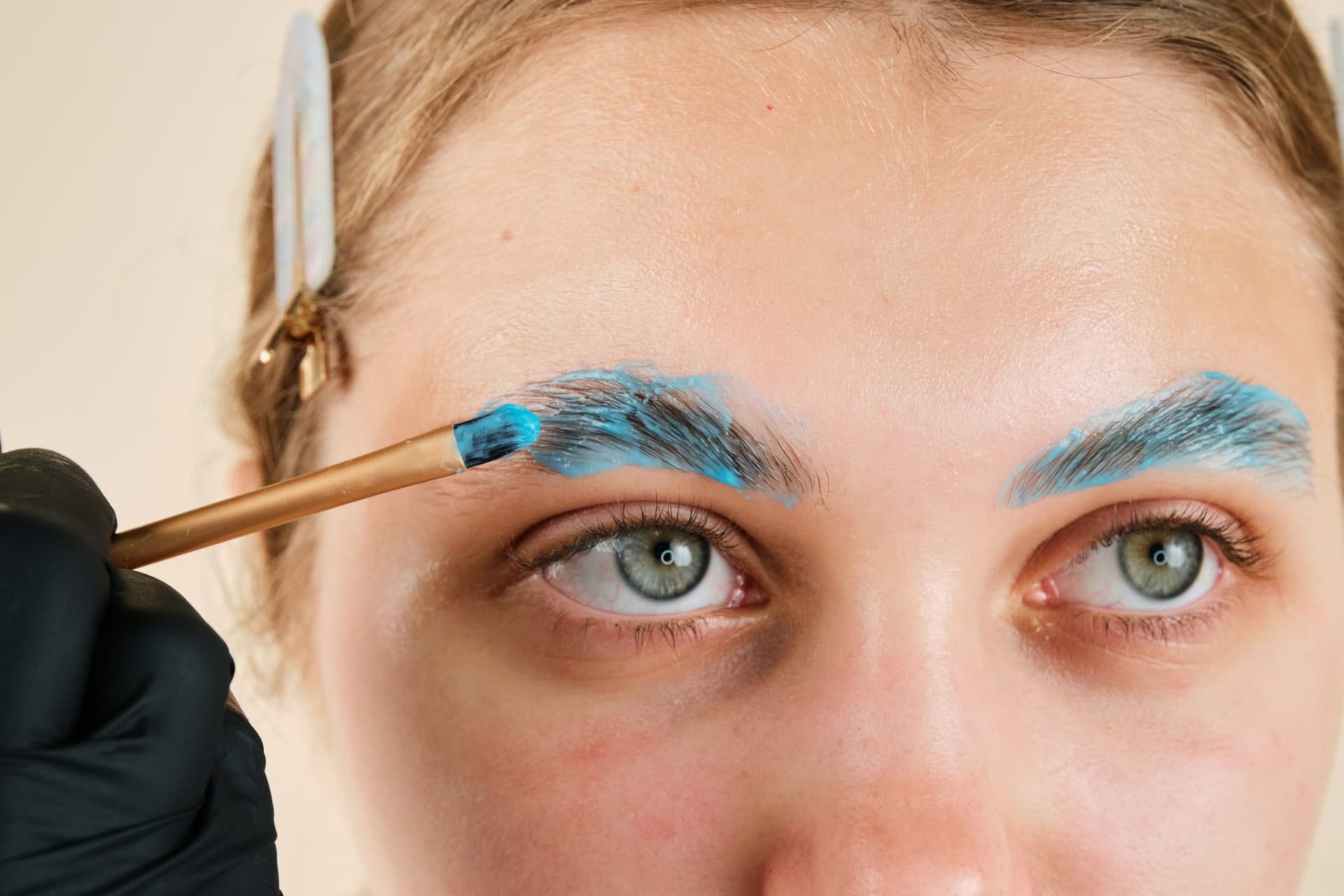
Why Microbladed Brows Sometimes Change Color
You wanted soft, natural brows. But a year or two later, you notice a strange blue or green tint. What happened? Color changes in microbladed eyebrows are a common worry. Here's why it can happen and what you can do about it.
Fast Facts for Healthy Brows
- Pigment type and quality matter most for color stability.
- Depth of pigment placement affects how color ages.
- Sun exposure can speed up fading and color shifts.
- Your skin's undertone plays a part in healed results.
Pigments: Not All Created Equal
The ingredients and quality of brow pigment make a big difference. Many artists use iron oxide pigments because they look natural and are considered safe. But as they break down, certain tones (like black) can fade faster, leaving behind red or purple. Organic pigments tend to hold their color better, but if the formula is poor, results can still look off. Cheap pigments are the main culprit behind odd color shifts. Always ask your artist what they use.
Placement: Depth Isn't Just a Detail
How deep the pigment goes into your skin changes everything. Too shallow and the color may fade quickly, sometimes leaving behind a greenish haze. Too deep and the pigment can mix with your body's natural tones, resulting in blue or gray shadows. A skilled artist in Thousand Oaks will know how to tailor depth for your skin and brow goals.
Skin Tone: The Secret Ingredient
Your skin's undertone plays a big role. If you have cool undertones (think pink or blue), certain pigments might heal with a bluish or purplish tint over time. Warm undertones (yellow or olive) usually see less dramatic shifts, but it's still possible. This is why consultation and custom pigment selection matter.
Sun and Skincare: Fading's Silent Partners
UV rays can break down pigment much faster, causing brows to fade or shift in color. After your brows are healed, using sunscreen is one of the simplest ways to protect your investment. I recommend Supergoop! Mineral Glowscreen SPF 40 on and around your brows. It's lightweight, so it won't clog pores or leave a white cast. Also, be careful with skincare products that contain acids or retinoids near your brows. They can speed up fading and change the way color looks over time.
Pigment Changes: Just Part of the Process
Over time, all pigments break down. This is completely normal. The key is how gracefully they age. A well-done brow will fade softly. But if you see a sudden shift to blue, green, or purple, it usually points back to pigment choice, placement, or aftercare.
FAQ: Microblading Color Shifts
Why do some brows turn blue or green?
This usually happens when black pigment fades faster than other colors, or if pigment is placed too deep in the skin.
Can sun exposure really change my brow color?
Yes. UV light breaks down pigment quickly, which can cause odd fading or unwanted hues.
Will my brows always fade to a weird color?
Not if the right pigment and technique are used. Most well-done brows fade to a lighter version of the original color.
What if my brows already changed color?
Color correction or a touch-up from a skilled artist can help bring them back to a natural shade.
How often should I get touch-ups?
Most people need a refresh every 12 to 24 months, but it varies by skin type and lifestyle.
Final Thought
Microbladed brows can change color for a few reasons, but most issues are preventable with quality pigments, proper technique, and a bit of sun protection. I use only trusted products and tailor every session to your skin's needs. If you're in Thousand Oaks and want brows that stay true to you, I'm here to help.
Related services
Mentioned Products
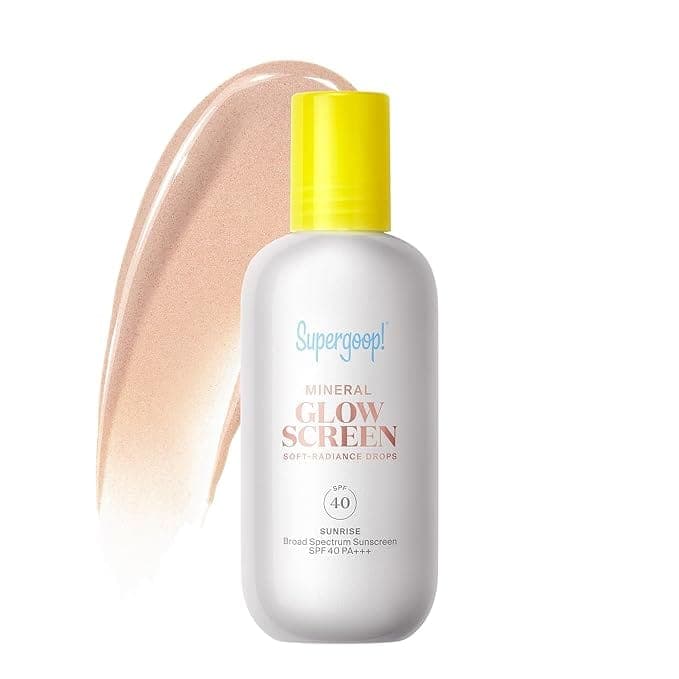
Supergoop! Mineral Glowscreen SPF 40
Helps protect skin (and healed brows) from sun exposure and fading.
Affiliate disclosure: Some links may be affiliate links. We may earn a small commission at no extra cost to you.
Related posts

Microblading vs Nano Brows: Which Technique Is Better for Your Skin?
Not sure whether microblading or nano brows is right for your skin? Here's a plain-language breakdown of how each technique works and who each one suits best.
Microblading vs. Traditional Tattooing: What's the Difference?
Curious about the difference between microblading and traditional brow tattooing? Learn how each method works, what to expect, and which might suit your brow goals best.
Why Natural Fading Matters More Than Day-One Results
Fresh brows can look bold and exciting, but the real test is how they fade. Natural fading allows pigment to soften evenly over time, avoiding harsh outlines and color shifts. When skin health and long-term results come first, brows age gracefully instead of locking you into years of maintenance or correction.