Brow Services
Understanding the Differences Between Hard and Soft Wax for Brow Waxing
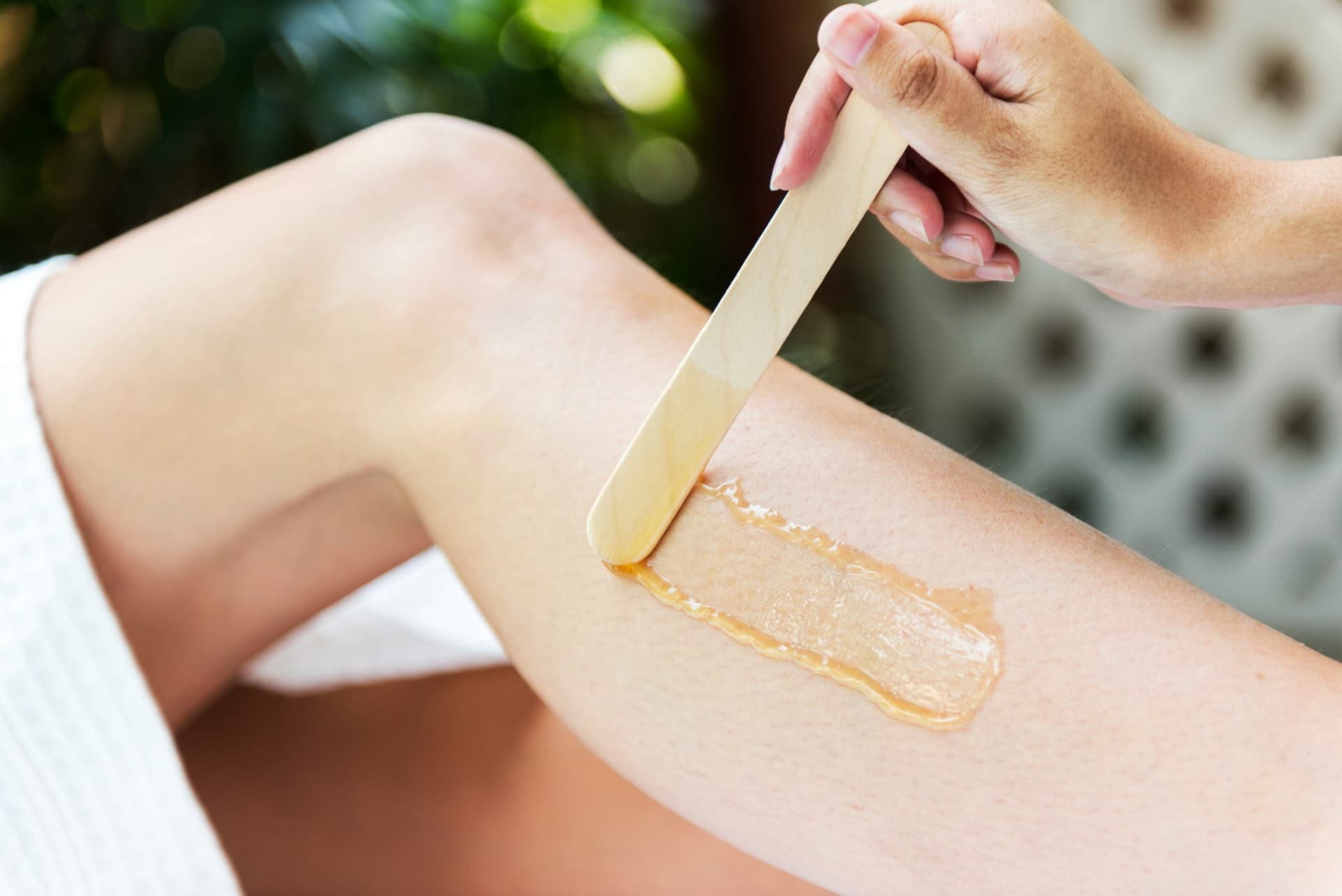
Choosing the Right Wax for Your Brows
You want brows that look natural, clean, and last longer between appointments. The right wax can make all the difference. But there are two main types: hard wax and soft wax. Each has its own strengths.
Quick take: Brow Waxing Basics
- Hard wax grips hair, not skin. Less irritation for sensitive types.
- Soft wax removes shorter hairs, but can tug more on the skin.
- Both can shape brows beautifully with a skilled hand.
- Your skin type and brow goals guide the choice.
What Is Hard Wax?
Hard wax is applied warm and thick. It cools, then hardens slightly, shrinking around the hairs. The wax is then pulled off directly, taking the hair with it. No strips needed. This method is especially gentle on delicate skin around the eyes. If you tend to get red or sensitive after waxing, hard wax often feels less harsh. It also works well on coarse or stubborn brow hairs.
What Is Soft Wax?
Soft wax goes on in a thin layer, then a cloth or paper strip presses on top. When the strip is pulled away, it removes both the wax and hair. Soft wax can grab finer, vellus hairs and leaves a super smooth finish. However, it adheres to both hair and skin, so it may cause more redness, especially if your skin is sensitive or dry.
Which Is Better for Sensitive Skin?
If your skin reacts easily or you've had issues with brow waxing in the past, hard wax is usually the safer bet. It attaches mostly to hair, not skin, reducing the risk of irritation. For clients here in Thousand Oaks who mention sensitivity during their consult, I almost always reach for hard wax first. Soft wax can be a bit much for those with rosacea, eczema, or who use retinoids.
Precision and Results
Both types can deliver crisp, natural arches. Soft wax does a stellar job at clearing away peach fuzz and getting those ultra-clean edges. Hard wax is ideal for shaping and tidying without overdoing it. The real trick? The esthetician's technique. A steady, practiced hand makes either wax work beautifully.
Aftercare Is Key
No matter which wax you choose, gentle aftercare keeps your brows looking fresh. Avoid touching, hot showers, or exfoliating right after your appointment. A cool compress soothes any redness. If you're prone to irritation, ask about calming gels or lotions to use at home.
Brow Waxing FAQ
Does brow waxing hurt?
Most people feel a quick sting, but it fades fast. Hard wax is often less painful for sensitive skin.
How often should I wax my brows?
Usually every 4-6 weeks, depending on your hair growth and how defined you like your shape.
Can I wax if I use skincare actives?
If you use retinoids, acids, or acne treatments, let your esthetician know. They may suggest hard wax or recommend pausing certain products before your appointment.
Will waxing make my brows thinner over time?
Not if shaping is done carefully. Repeated over-waxing or taking too much off can thin the brows, so trust someone who values a natural look.
Can I get my brows waxed if I have sensitive skin?
Yes, but hard wax is usually gentler. A patch test is always a good idea if you're new to waxing or have had reactions before.
One Last Thought
The best brow wax is the one that fits your skin and your style. If you're unsure, ask your esthetician for their honest recommendation. That's what we're here for.
Related services
Related posts
How Hormones Affect Your Brows and Lashes
Hormonal shifts can change the look and feel of your brows and lashes, from thinning to texture changes. Here's why it happens, and how to care for your brows and lashes during these times.
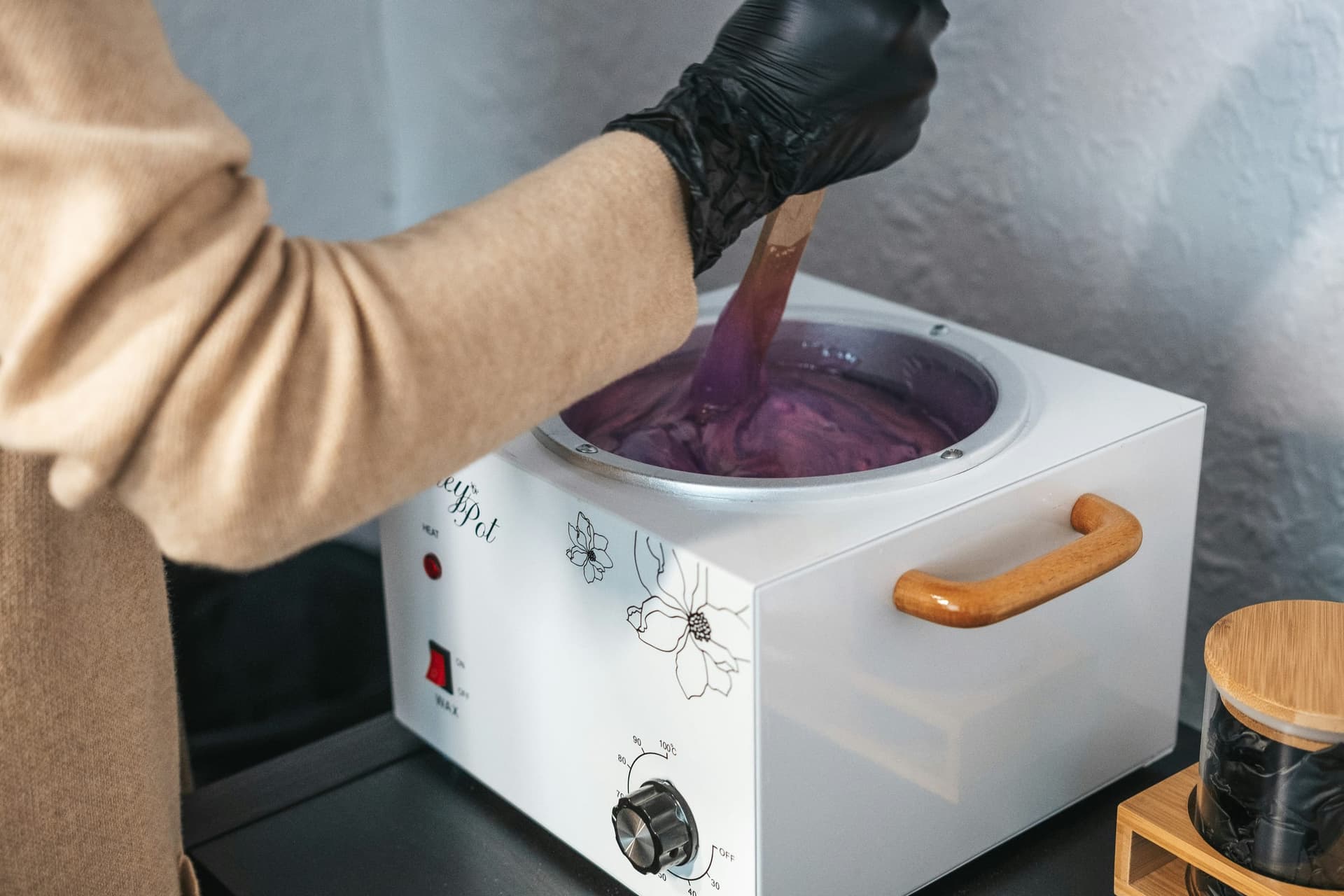
Waxing vs. Tweezing: Which Method Is Right for Your Brows?
Not sure whether to wax or tweeze your brows? Here's a plain breakdown of both methods so you can figure out what actually works for your hair type and skin.
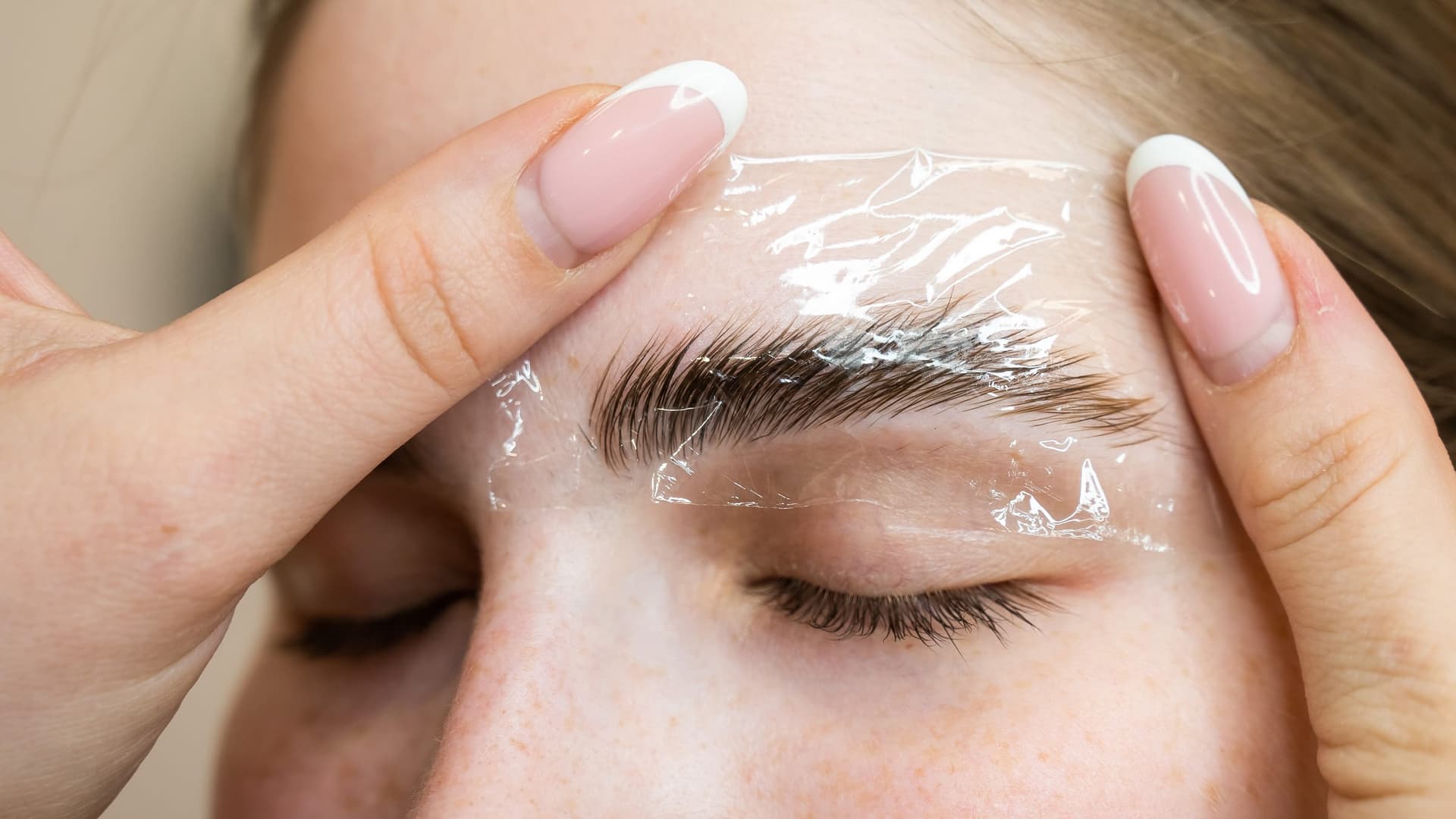
The Art of Brow Lamination
Brow lamination restructures your brow hairs so they stay lifted and smooth for weeks. Here's what the treatment actually involves, who it works best for, and how to care for your brows after.