Esthetics & Skincare
Debunking the Twinkle Razor Myth: Why Dermaplaning Requires Professional Tools
Why Twinkle Razors Aren't a Shortcut to Smooth Skin
Quick fixes are tempting, especially when social media makes at-home dermaplaning look easy. But there's a difference between removing peach fuzz with a Twinkle razor and getting a real dermaplaning treatment from a trained esthetician. If you're aiming for bright, smooth skin (without the risks), it pays to know what sets professional treatments apart.
Fast Facts for the Curious
- Twinkle razors remove surface hair, not dead skin cells.
- DIY tools can cause nicks, irritation, or uneven results.
- An esthetician tailors each session to your skin's needs.
What Actually Happens During Dermaplaning
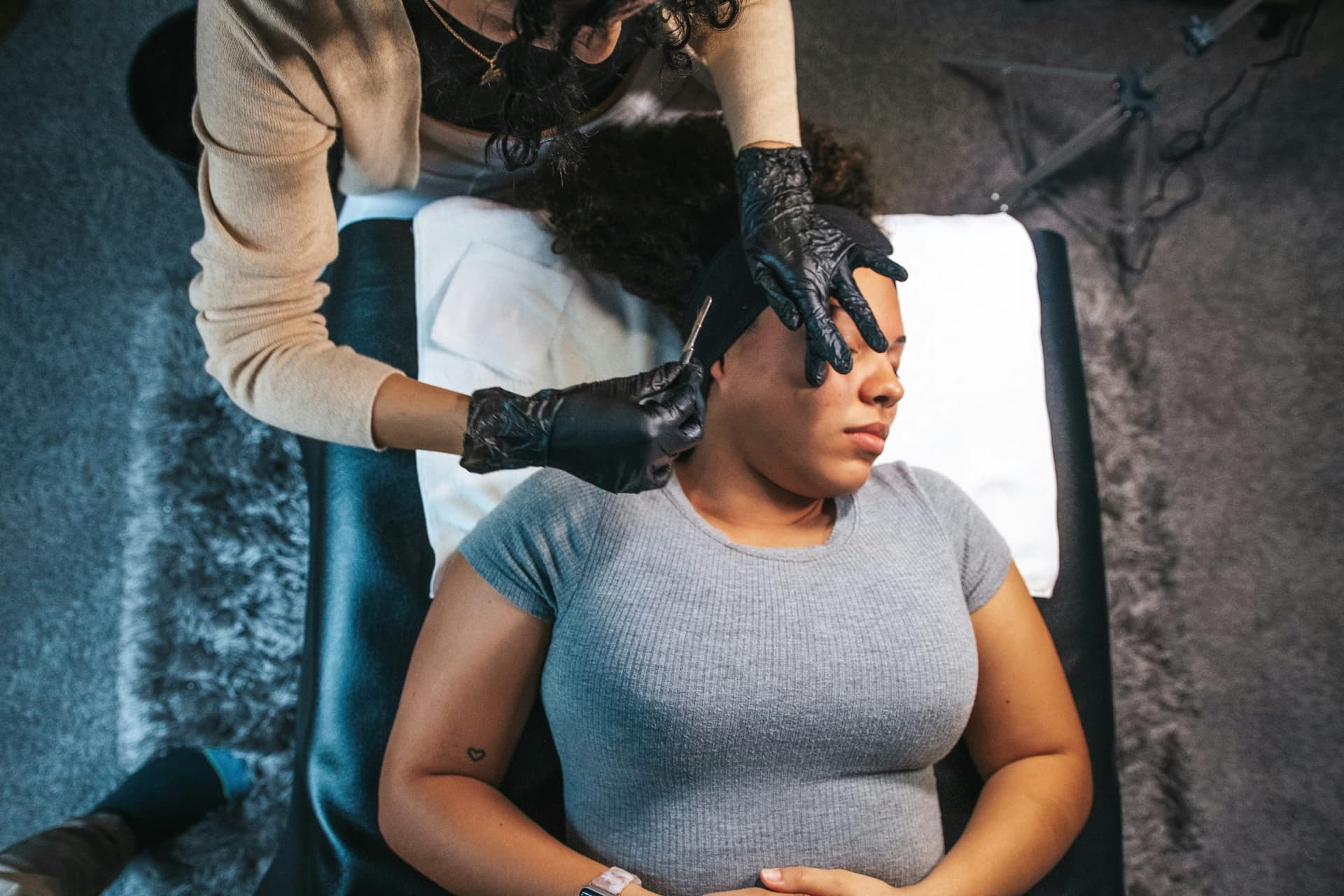
A professional dermaplaning session isn't just about shaving. It's a careful exfoliation using a sterile, single-use blade designed for precision. Your esthetician holds the skin taut, works at the right angle, and moves slowly to remove both dead skin and fine hair. The result: a smoother texture and better product absorption. You won't get that with a plastic razor meant for at-home use.
The Problem with At-Home Razors
Twinkle razors and similar tools are everywhere. They're marketed as a quick way to mimic spa results. But these tools are designed to be gentle (read: not very sharp), so they only skim the surface. That means they leave behind dead skin, and sometimes cause irritation or small cuts if you're not careful. Even if you manage to avoid nicks, you're not getting true exfoliation. For sensitive or breakout-prone skin, this can lead to more problems than solutions.
Why Professional Tools Matter
In a licensed studio, every dermaplaning blade is sterile, sharp, and meant for one-time use. Estheticians are trained to read your skin, spot contraindications, and adjust technique. That's a big deal if you want consistent, safe results. Plus, you'll get a post-treatment routine tailored for you, not a generic moisturizer from the drugstore. It's peace of mind you can't get from a DIY kit.
One More Thing: Safety
If you live in Thousand Oaks or nearby, you've probably seen local studios offering dermaplaning. Choosing a professional isn't just about results. It's about avoiding infection, scarring, or accidental cuts. In the right hands, dermaplaning is relaxing and effective. In the wrong hands, it's a gamble with your skin's health.
FAQ
Is dermaplaning the same as shaving my face? No. Shaving removes hair, but dermaplaning also exfoliates dead skin and uses a specialized blade.
Can I use a Twinkle razor if I have sensitive skin? Twinkle razors can cause irritation, especially on sensitive or reactive skin. A professional can assess what's safest for you.
Will my hair grow back thicker after dermaplaning? No. Hair grows back with the same texture and color as before.
How often should I get dermaplaning done? Most clients benefit from a session every 4-6 weeks, but your esthetician will recommend what's right for you.
Is there downtime after professional dermaplaning? Typically, no. Some people experience slight redness for a few hours, but it fades quickly.
Trust your skin to a pro. The right tools, the right hands, the right results.
Related services
Related posts
Tips and Tricks for Perfectly Groomed Eyebrows
Get natural, polished brows at home with a few simple tools and techniques. Learn how to shape, fill, and set your eyebrows for a look that suits your features without overdoing it.

The Best Colors for Eyebrow Tinting: Finding Your Perfect Shade
Choosing the right eyebrow tint color is key to achieving natural, low-maintenance brows that suit your features. Here's how to find your best shade for lasting, flattering results.

Why I Love My Ring Light: The Importance of Proper Lighting
Good lighting isn't just a photography trick. In a treatment room, it directly affects how accurately I can see your skin and shape your brows.